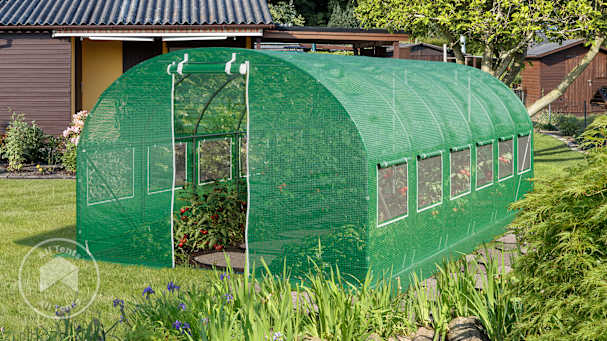
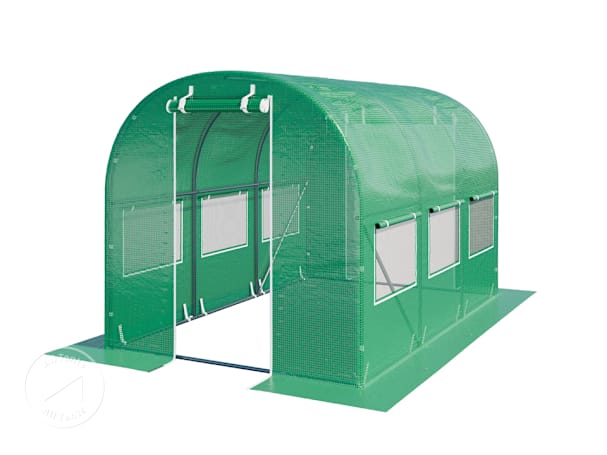
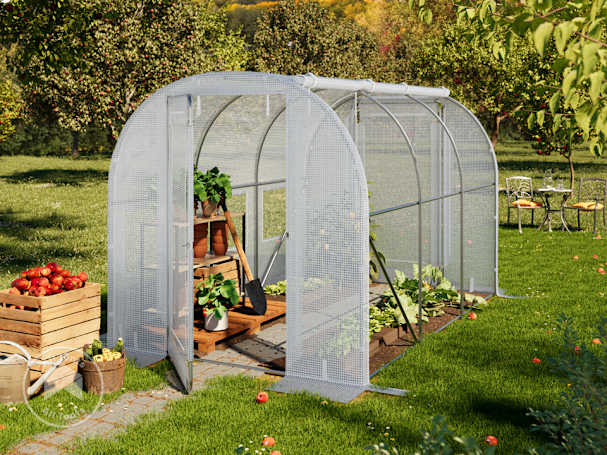
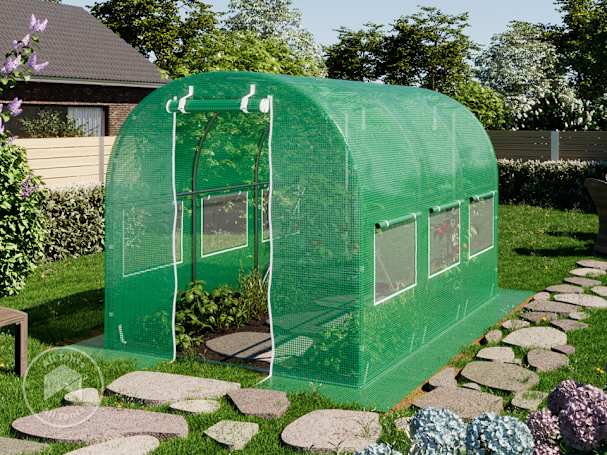
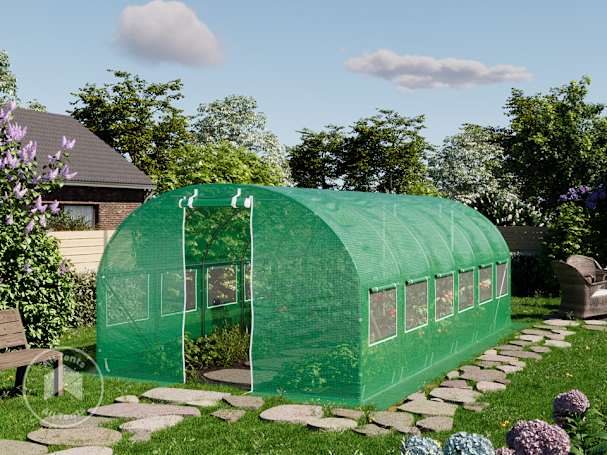
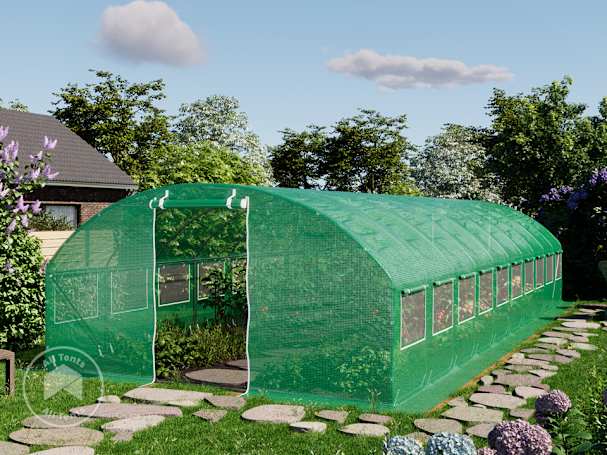
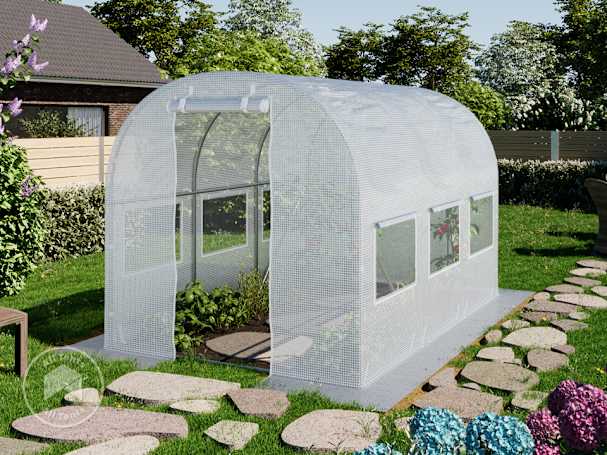
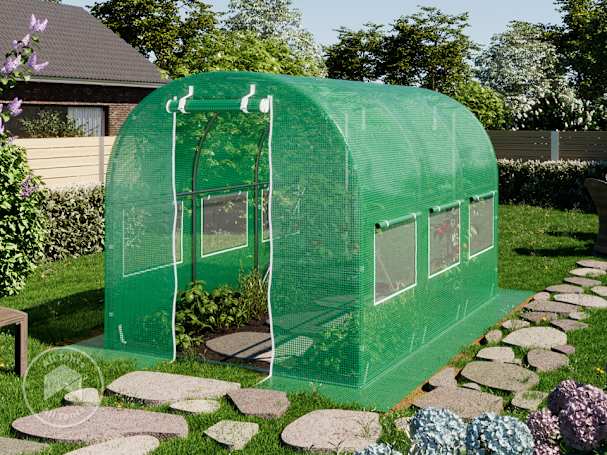
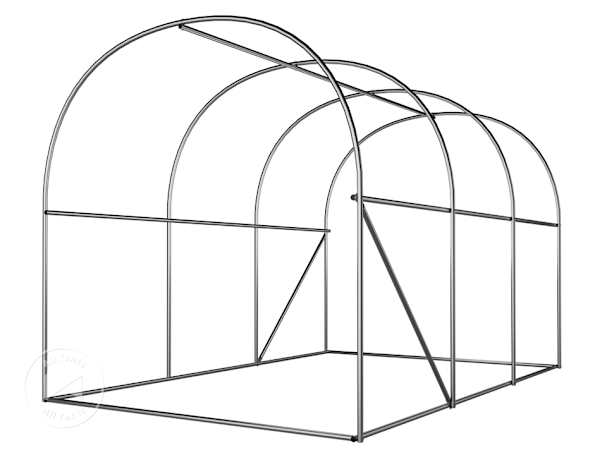
- Robust steel frame
- Tear-resistant polytunnel cover made from PE 500
- Incl. ground frame
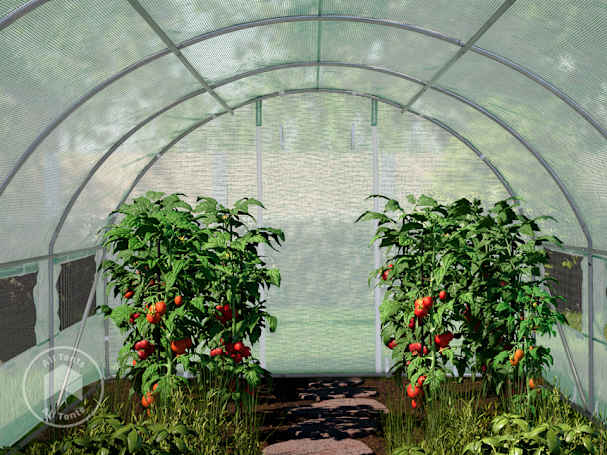
- Centre standing height: approx. 2 m


A polytunnel provides a simple but highly effective way to take control of growing conditions in your garden. By creating a sheltered environment, it allows you to grow fruit and vegetables more reliably, even when weather conditions are unpredictable.
In Ireland, where frequent rain, strong winds and cool temperatures can limit outdoor growing, a polytunnel helps protect plants from excess moisture, reduces wind stress and stabilises temperatures. This leads to healthier plants, fewer losses and a longer growing season without the need for permanent structures or heating.
Unlike traditional greenhouses, polytunnels are flexible and can be placed directly on soil without foundations. This makes them particularly well suited to gardens, allotments and temporary growing spaces where adaptability, ease of setup and affordability matter.

Our polytunnels are designed to provide reliable growing conditions in Ireland’s changeable climate. By combining durable materials with practical ventilation, access, and stability features, they help protect crops from wind and excess moisture while making everyday growing more manageable. Each feature below plays a specific role in creating a controlled, flexible growing environment—without the need for permanent foundations or electrical systems.
The polytunnel cover is made from durable, UV-resistant polythene that diffuses light evenly throughout the growing area. This helps reduce harsh shadows and creates balanced conditions for consistent plant growth. The material is designed for outdoor use and long-term exposure, offering a practical balance between strength, light transmission and longevity.
All polytunnels in the range support natural airflow through a combination of integrated side windows and flexible door openings. Built-in side windows within the roof cover can be rolled up as needed to release warm air and improve air exchange, while fly screens help keep pests out. A roll-up front opening and a rear zip door make it easier to manage temperature, humidity and daily access throughout the growing season.
Extra-long ground skirts help control airflow at soil level by reducing unwanted draughts when secured or weighted down. This supports more stable temperatures, limits cold air entering the growing area, and helps manage moisture—particularly useful in windy or damp conditions.
Our Premium models offer an enhanced level of ventilation through full-length roll-up side covers. These can be opened partially or fully along the entire length of the tunnel, allowing for greater airflow control during warmer conditions. On larger models, the side covers are divided into sections with integrated zips, enabling targeted ventilation where needed.
These models also include a robust steel door frame with a sliding lock, providing secure and practical access for regular use. When closed, the side covers offer additional protection from wind and rain, helping maintain stable conditions inside the tunnel.

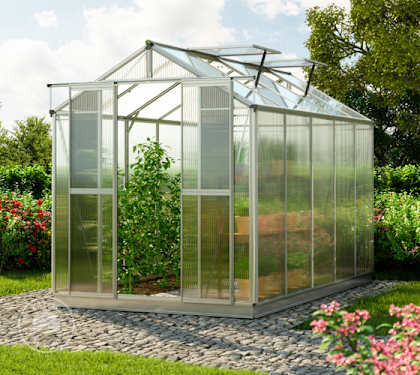
Opting for a polytunnel greenhouse over a traditional tempered glass or polycarbonate greenhouse for your garden offers notable benefits, including cost-effectiveness and ease of maintenance. Unlike a rigid greenhouse structure, a polytunnel's flexible design allows for quick assembly, disassembly, and size adjustments to meet seasonal needs or crop changes. The polythene cover of a polytunnel is more affordable and accessible to replace than greenhouse glass and diffuses light evenly, reducing plant scorch risk and promoting uniform growth. A polytunnel's environment is more readily adaptable, with superior ventilation options compared to a greenhouse. These advantages make a polytunnel a versatile and practical choice for gardeners seeking to grow their crops with efficiency and adaptability.
| Features | Polycarbonate Greenhouses | Polytunnels | Glass Greenhouses |
|---|---|---|---|
| Structure & Flexibility |
|
|
|
| Insulation & Durability |
|
|
|
| Assembly & Cost |
|
|
|
| Light Transmission & Ventilation |
|
|
|
Our polytunnels are constructed for lasting resilience, featuring robust galvanised steel tubes in their frames to ensure superior durability and resistance to the elements over time.
Galvanised steel tubes
Fully treated inside and out for optimal corrosion and rust protection, with robust (ca.) Ø 25 mm steel tubes ensuring a strong foundation.
Durability and design
Impact and scratch-resistant, featuring a stable, round design for excellent load-bearing capacity.
Easy assembly
Our galvanised steel tubes have a high-quality click system that allows for swift setup without the hassle of separate connectors or small parts, complemented by screwed-in roof rafters and cross-bracing for added stability.
Protection and Stability
Includes tube caps to safeguard the film, designed for maximum stability with no welded parts.
Enhanced wind resistance
Optional ground anchoring accessories are available to fortify against harsh weather, ensuring your polytunnel remains secure.
Our options include a diverse range of walk-in polytunnel sizes, offering numerous choices to accommodate any gardening need. Each model is crafted to optimize the usable growing space, ensuring a uniform headroom of about 2 meters throughout, perfect for comfortable walk-in access and maintenance.
Our compact 3m x 2m polytunnel option is an excellent fit, especially for vertical crops like tomatoes. Its 6 m² space is optimized to enhance yield in a restricted area, offering a practical solution for maximizing productivity in smaller gardens. Spruce up your garden with our small plastic greenhouse.
The 6x3 polytunnel provides 18 m², ideal for hobby gardeners or small-scale commercial growers looking to expand their capabilities. It allows for effective use of space, supporting a productive variety of vegetables and fruits.
Our 6x4 polytunnel offers 24 m², perfect for those desiring more room for extensive crop rotations and a broader range of plants. Its size is advantageous for scaling up gardening projects without excessive maintenance.
Our larger 4x10 m polytunnels present a spacious 40 m² cultivation area for those requiring more room. This large space supports a wide range of planting approaches, enabling the growth of a diverse array of crops.
| Polytunnel size | Planting area (m²) |
|---|---|
| 2x3 m | 6 m² |
| 3x4 m | 12 m² |
| 3x6 m | 18 m² |
| 3x8 m / 4x6 m | 24 m² |
| 4x8 m | 32 m² |
| 4x10 m | 40 m² |
Building a polytunnel with our systems transforms what might seem like a daunting project into a straightforward task. Our easy-click system redefines the ease of polytunnel construction, making the assembly of even a small polytunnel a manageable, DIY-friendly endeavour.
Assemble the tubular frame by clicking the pieces together to form the base and arches, then with a helper, evenly drape the cover over the structure. Lastly, secure the cover onto the frame using Velcro or clips, ensuring it's snug and well-fastened around the entire polytunnel. Place the tunnel directly on the soil and let your polytunnel gardening begin!
Setting up is simple and requires no special skills. Just follow the step-by-step instructions provided in the PDF guide found in the assembly tab for each individual product.
No foundation needed
Our polytunnels don't need a foundation, making setup even easier. Choose your spot, assemble, and you're ready to plant in the ground beds immediately. This simplicity means you can start your gardening without any delays.
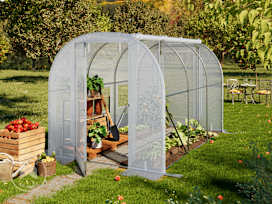
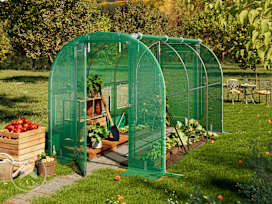
Our white polytunnels ensure even light distribution and optimal temperatures, ideal for nurseries and sensitive crops. Our green polytunnels provide natural shading and UV protection, perfect for extending the growing season in sunny regions. Both types are durable, versatile, and cost-effective, designed to improve crop yields and withstand various weather conditions
Poly tunnels offer a unique advantage for extending the growing season and protecting crops from the unpredictable Irish climate. Below is a guide arranged from the easiest to the hardest crops to grow, helping you prioritize and plan your gardening activities efficiently.
Among the easiest, salad greens like lettuce, spinach and rocket require minimal space and grow quickly. They tolerate cooler temperatures, making them ideal for early spring and autumn cultivation.
Best planting time:
Feb - Mar for an early spring crop
Jul - Aug for an autumn crop
Ideal temperature:
10-20°
Harvest period:
Apr-May (spring crop)
Sep-Oct (autumn crop)
Hardy herbs such as parsley, chives and coriander grow well in a polytunnel’s stable environment. Many herbs benefit from protection against persistent rain and wind, which can otherwise slow growth outdoors.
Best planting time:
Indoor start Mar - Apr
Transplant after the last frost*
Ideal temperature:
Varies by herb, generally 15-25°
Harvest period:
Harvest as needed (typically Jun-Sep)
French beans and runner beans need basic support for climbing but are generally straightforward to grow. They thrive with regular watering and a sunny spot within the polytunnel.
Best planting time:
Directly in polytunnel soil* May - Jun
Ideal temperature:
12-25°
Harvest period:
Jul - Sep
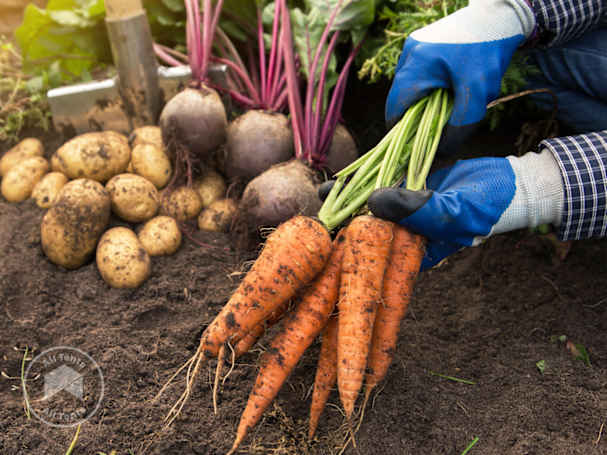
Radishes, carrots and beetroot perform well in polytunnels when grown in loose, well-prepared soil. Radishes are particularly quick to mature, making them a good choice for early harvests.
Best planting time:
Feb - Mar for an early crop
Jul - Aug or a late crop
Ideal temperature:
10-20°
Harvest period:
May - Jun (early crop)
Sep-Oct (late crop)
Strawberries benefit greatly from polytunnel growing in Ireland, as protection from rain helps reduce disease and fruit rot. The sheltered environment also extends the harvesting period.
Best planting time:
Bare-root* Late autumn to early spring
Potted / runners* Early spring
Ideal temperature:
15-26°
Harvest period:
Early Jun - Late July (some varieties crop untill the first frost*)
Tomatoes require consistent warmth, ventilation, and regular feeding. Polytunnels provide the stable conditions needed to avoid blight, which is common in Ireland’s damp climate.
Best planting time:
Start indoors* Feb - Mar
Transplant* Late Apr - early May
Ideal temperature:
Day: 20-24°
Night: above16°
Harvest period:
Jul - Sep
Aubergines need warm temperatures and careful humidity control. They thrive in polytunnels but require more attention to ventilation and watering than most crops.
Best planting time:
Indoor start Feb - Mar
Transplant In May, when night temp >12°
Ideal temperature:
21-30°
Harvest period:
Jul - Sep
Melons are among the most challenging crops to grow in Ireland. They require consistently warm temperatures, plenty of space, and careful watering. A polytunnel is essential for successful cultivation.
Best planting time:
Indoor start Apr
Transplant Late May - early Jun
Ideal temperature:
21-30° (Tolerates higher with adequate water)
Harvest period:
Aug - Sep
*Indoor Start: Seeds are sown indoors in trays or pots before moving to the polytunnel.
*Transplant: Moving plants from the initial indoor start to their final place in the polytunnel.
*Bare-Root: Plants sold without soil are ready to plant directly.
*Potted/Runners: Strawberry plants in pots or young plants from the parent plant, ready for direct planting.
*Directly in Polytunnel Soil: Seeds are sown straight into the polytunnel's ground.
*First frost: The season's initial freeze, posing a threat to frost-sensitive plants.
*Last frost: When the risk of freezing temperatures has passed, it is safe to plant frost-sensitive crops outdoors.
When looking into greenhouse tunnels for sale or considering the use of a poly tunnel, it's essential to understand the various affordable methods to maintain optimal growing conditions, especially in cooler climates. Below is a table outlining several innovative and cost-effective methods for heating your polytunnel, ensuring your plants thrive year-round.
| Method | Description | Considerations |
|---|---|---|
| Compost Heating | Utilize the heat from a decomposing compost pile inside or near your poly tunnel. | Ensure proper ventilation to manage humidity and odor. |
| Water Barrels | Paint water barrels black and fill them with water to absorb and release heat. | Place barrels in sunlight and regularly check water levels. |
| Bubble Wrap Insulation | Line the poly tunnel's interior with bubble wrap to trap heat. | Use horticultural-grade bubble wrap and secure it properly to avoid gaps. |
| Thermal Mass Objects | Use stones, bricks, or concrete blocks to store and release heat. | Place objects where they can absorb maximum sunlight. |
| Solar-powered Heaters | Incorporate solar panels and heaters for sustainable heating. | Higher initial costs ensure adequate solar panel capacity. |
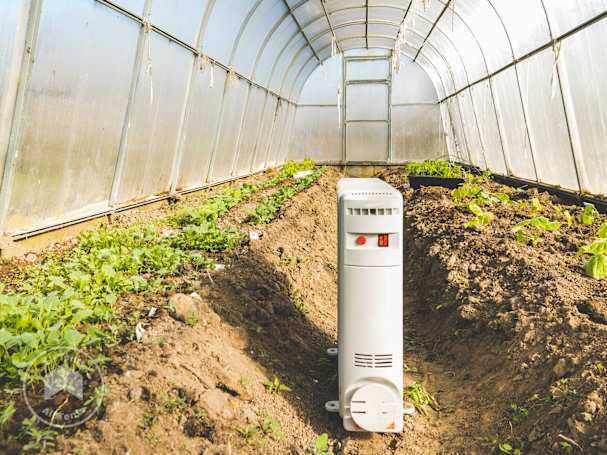
| Greenhouse Heaters | Use electric or gas heaters for controlled heating. | Monitor energy costs and ensure proper ventilation to prevent gas buildup (especially with gas heaters). |
Interested in our polytunnel options or other agricultural products? Get in touch with us today! Our team is ready to assist you in finding the perfect solutions to enhance your growing operations. Whether you need durable white or green polytunnels or other quality products, we're here to help. Contact us now to learn more and discuss your specific needs.